For anyone comparing soft knits
Modal in clothes: soft, and not the same as lyocell
Modal is regenerated cellulose made with the same alkali and carbon disulfide chemistry as viscose. We read it as Okay, including named modal such as TENCEL Modal. The name tells you the mill. It is still modal, not lyocell. Certifications check limits. They do not raise a health number.
Why it matters for your body
Modal is a soft fibre you meet in underwear, tees, and light knits. It starts as plant pulp, often beech, and it is rebuilt in a mill. European fibre law calls it a regenerated cellulose fibre made by a modified viscose process, the change being higher strength when the fibre is wet (EU textile fibre names, Annex I). Wet strength is why a modal tee survives washing better than a cheap viscose blouse. It does not make modal into cotton, and it does not make modal into lyocell.
Pulp is treated with alkali and carbon disulfide so it will dissolve, then spun in an acid bath, the same chemistry as viscose. Makers who publish the route, Lenzing among them, describe modal as that viscose path with the settings changed for wet strength (Lenzing, fibre technologies). An unnamed modal line on a label does not tell you which mill, or how tightly that mill is run.
On skin it feels smooth, which is the reason people buy it. Smooth is a hand feel. A mill name tells you who made it. It does not change the chemistry.
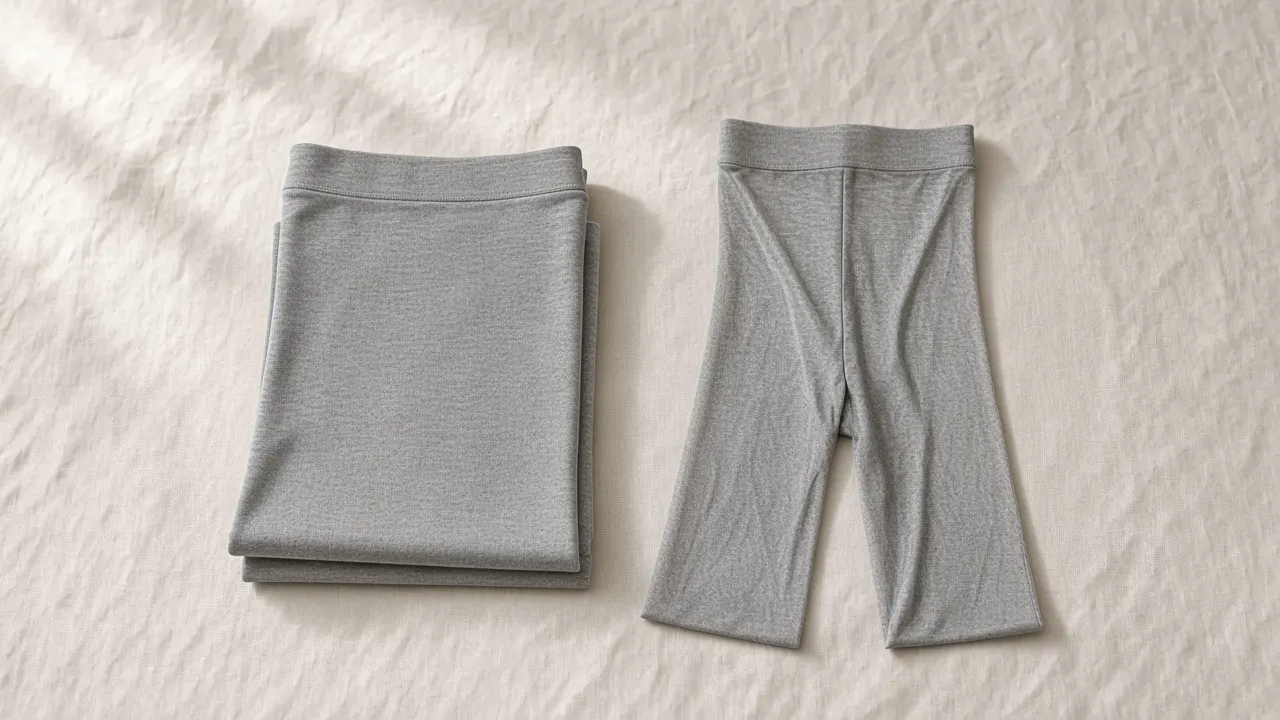
Have underwear or a soft knit nearby? Check a product.
The public read: Okay
We name a public verdict and leave the internal math unpublished. The high level method is on the scoring method.
Modal: Okay. Named modal such as TENCEL Modal tells you the mill, which is useful, but it is still modal.
That is the whole read. Unnamed modal and named modal share it. TENCEL Modal is the shopper example: Lenzing sells it under the TENCEL brand beside TENCEL Lyocell, as a different fibre (Lenzing, brand overview). The name tells you the mill. It is still modal. It is not lyocell.
The neighbours it gets confused with
Commodity viscose and rayon, including bamboo viscose, are Be careful. Modal is the modified version of that family, which is why it can sit above that read, and why it does not automatically inherit the lyocell one. LENZING ECOVERO is viscose with a wood and mill story. It is Okay, and it is not modal unless the label says modal.
Cotton is a different plant fibre entirely. “Modal cotton” on a hangtag is usually a blend or a mood. Read the percentages. If cotton is there, it is cotton. If only modal is there, it is this page.
Badges and the stretch line
OEKO-TEX Standard 100 tests the article for harmful substances and sets limits by skin contact (OEKO-TEX Standard 100). That check does not raise a TFD health number, and it does not turn modal into lyocell. A badge can sit on a careful dyehouse. The fibre class is still modal.
Modal underwear is often a few percent elastane. That line is Prefer less. The modal line stays Okay. Write both down.
What to look for on the label
- Modal, named or not: Okay.
- TENCEL Modal, or another named modal: the mill is identified. Still Okay. Still modal.
- TENCEL Lyocell: not modal. Read the lyocell page.
- Viscose, rayon, bamboo viscose, ECOVERO: not this fibre.
- Elastane beside the modal: a separate plastic line.
- OEKO-TEX: a limit check, not a health number raise.
How to read a clothing label if the brand name is doing all the talking.
A 60-second table
| On the label | Practical read | Public fibre language |
|---|---|---|
| Modal | Modified viscose. Same chemistry as viscose | Okay |
| TENCEL Modal, named modal | The mill is named. Still modal | Okay |
| TENCEL Lyocell | Solvent spun. Different process | Better choice, on the lyocell page |
| Viscose, rayon, bamboo viscose | Classic viscose process | Be careful |
| Modal with elastane | Soft knit plus stretch plastic | Read both lines |
Scan a piece you already own
Paste a product URL or type the composition into Toxic Fashion Detector. Underwear and tees are the pieces worth typing in. For cleaner brand defaults, browse the brand directory.
Sources
- Regulation (EU) No 1007/2011, Annex I. Modal is a regenerated cellulose fibre from a modified viscose process, defined by high wet strength.
- Lenzing. Fibre technologies: modal follows the viscose route with process changes aimed at wet strength.
- Lenzing annual and sustainability report, brand overview. TENCEL covers lyocell and modal as separate fibres. LENZING ECOVERO is the viscose brand.
- OEKO-TEX. STANDARD 100: textiles tested for harmful substances, with limit values by skin contact class.